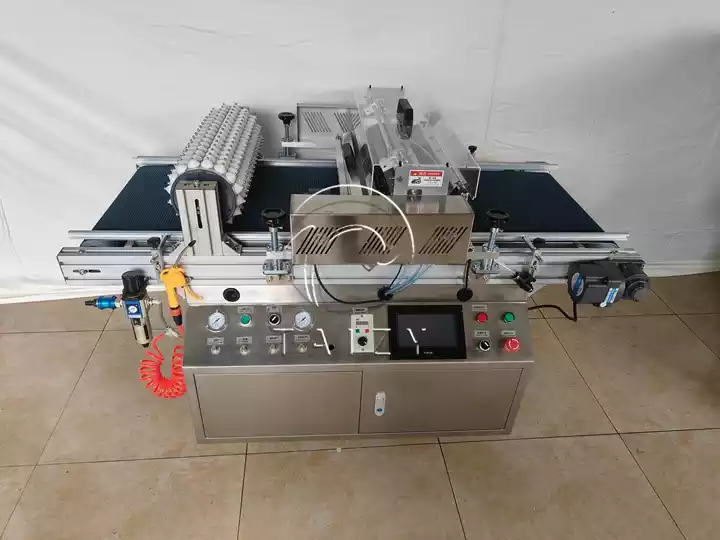
As modern agriculture moves toward large-scale and standardized development, automated seedling equipment has gradually become an essential component of planting bases.
Many farmers are concerned: Is the investment in nursery seeder machines substantial? Is it worth the long-term investment? In fact, rather than focusing solely on price, it’s more important to comprehensively consider efficiency gains and long-term returns.
Nursery seeder machine specifications
The investment cost of seedling machines primarily depends on the following factors:
- Level of automation (semi-automatic or fully automatic)
- Hourly production capacity
- Range of compatible seedling tray specifications (72-cell, 128-cell, 200-cell, etc.)
- Inclusion of automatic soil covering, watering, and conveying systems
- Structural materials and control system configuration
More comprehensive functionality and higher automation levels naturally result in higher overall investment, but they also guarantee greater operational efficiency and stability.
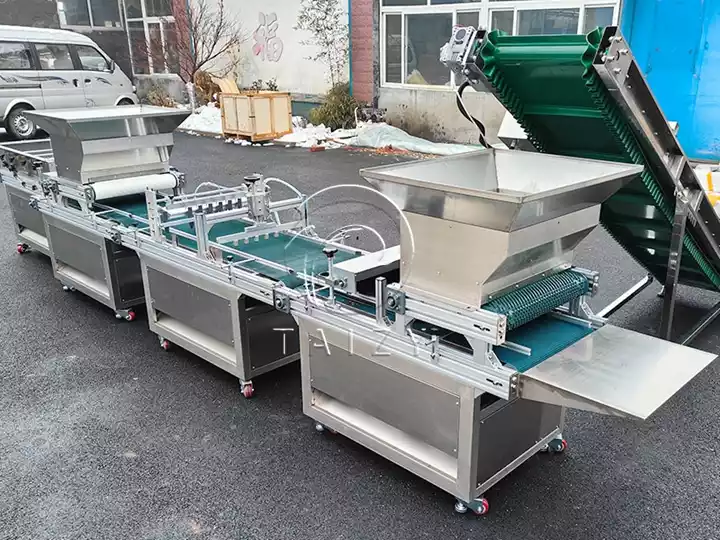 nursery seeder machine
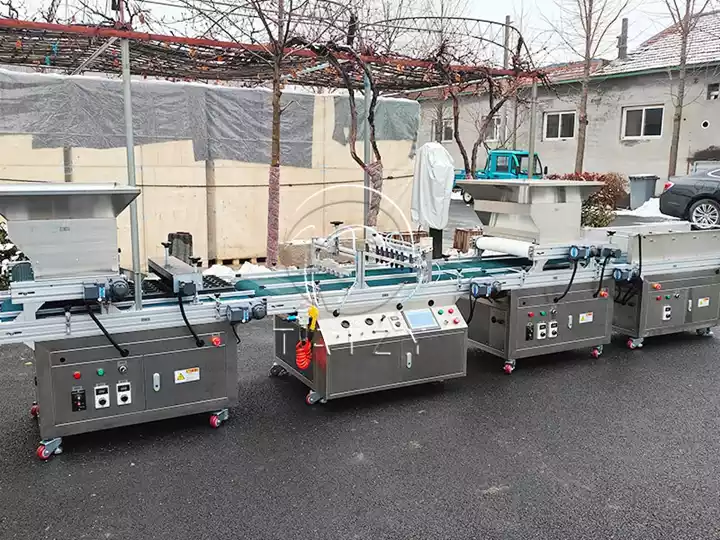 nursery tray seeding machine
Cost advantages through efficiency gains
Traditional manual sowing achieves approximately 800–1500 trays per day (with multiple workers). A fully automated nursery seeder machine, however, can process 300–600 trays per hour, reaching a daily output exceeding 3000 trays.
Key advantages include:
- Over 50% reduction in labor costs
- Uniform sowing with germination rates exceeding 95%
- Enhanced standardized production levels
For vegetable farms, seedling centers, or cooperatives, the investment typically pays off within 1–2 growing seasons.
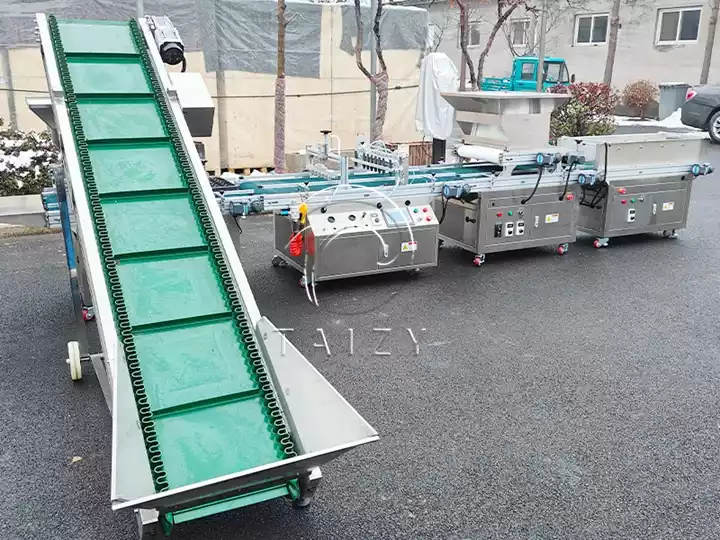 automatic nursery tray seeder
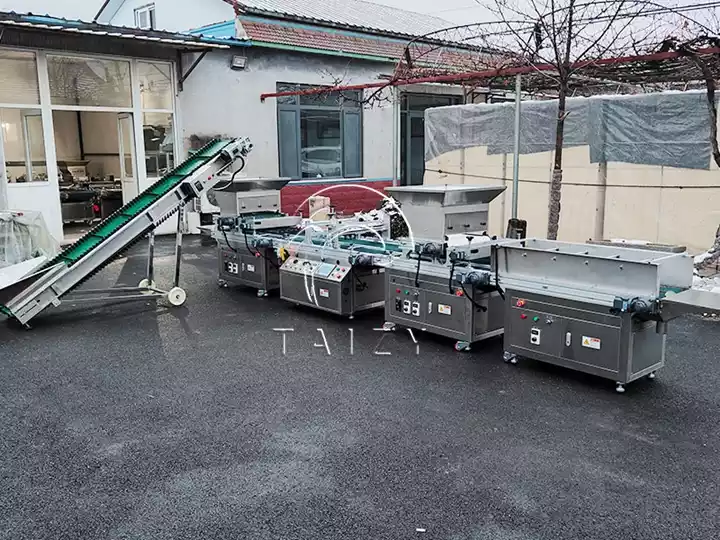 automatic seedling machine
Applicable crops and market prospects
Seedling machines suit diverse crops:
- Solanaceous vegetables (tomatoes, peppers, eggplants)
- Leafy greens (cabbage, lettuce, broccoli)
- Cash crops and medicinal herbs
With the expansion of protected agriculture and contract farming models, demand for centralized, standardized seedling production continues to grow, offering broad prospects for automated seedling equipment.
Conclusion
The value of seedling machines extends beyond the equipment itself, manifesting in long-term benefits such as enhanced efficiency, labor savings, and consistent seedling quality.
For agricultural entities pursuing scaled operations and refined management, selecting an appropriate vegetable nursery tray seedling machine represents a crucial step in boosting competitiveness. Contact us to find the machine best suited to your needs.